
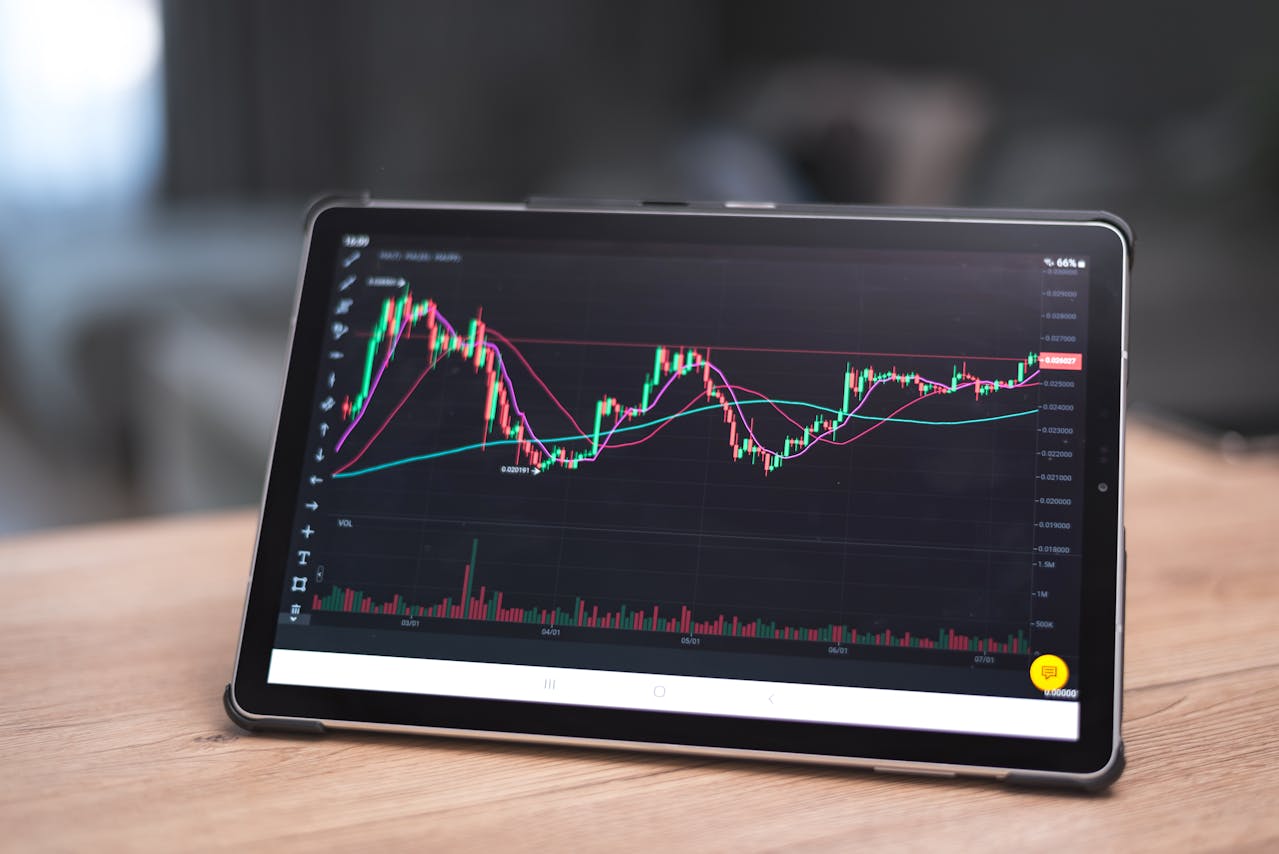
Stock market volatility is a term that frequently surfaces in financial discussions, particularly during periods of market turbulence. Understanding the concept of market volatility, its causes, and how to manage it effectively can help investors navigate the complexities of the stock market. This article will provide insights into the nature of stock market volatility and outline strategies to manage it effectively to safeguard investments and optimize returns.
Quick Recommendation: Explore our blog for valuable tips and resources on investing in stocks. Want to build a growing stream of passive income, regardless of what happens in the stock market? Check out the Road To Successful Investing - Stock Investing Guidebook::

What Is Stock Market Volatility?
Stock market volatility refers to the degree of variation in the price of stocks over time. It reflects how much the prices of individual stocks or the overall market fluctuate within a specific period. High volatility means significant price swings, while low volatility indicates relatively stable price movements. Volatility can be measured using metrics like standard deviation or the VIX index, often referred to as the “fear gauge,” which tracks market expectations of future volatility.
The causes of market volatility are numerous and can be both external and internal. Economic factors such as inflation, interest rates, and unemployment levels can contribute to price fluctuations. Additionally, geopolitical events like elections, natural disasters, or international conflicts often introduce uncertainty, causing investors to react with fear or optimism. Market sentiment also plays a crucial role, with investor psychology influencing market movements. These factors can cause abrupt shifts in stock prices, making the market appear unpredictable.
It is essential for investors to understand that volatility is an inherent feature of the stock market. While it may be unsettling, it can also present opportunities for savvy investors who are prepared to manage it effectively. Recognizing volatility’s impact on the market helps investors make informed decisions and avoid emotional reactions that can lead to costly mistakes.
Causes of Market Volatility
Several factors contribute to stock market volatility. Economic indicators such as GDP growth, inflation, and consumer spending can significantly impact investor sentiment. For example, if inflation rises unexpectedly, the stock market may react negatively as investors worry about higher interest rates or reduced corporate profits. Similarly, a sudden slowdown in economic growth can make investors cautious, leading to increased volatility as they adjust their portfolios.
Geopolitical events also play a substantial role in market volatility. Political uncertainty, such as the potential for a government shutdown or international tensions, can cause sharp fluctuations in stock prices. Trade wars, military conflicts, or even the threat of such events can create fear in the markets, prompting investors to quickly alter their investment strategies. Such events often lead to a flight to safety, with investors moving funds from riskier assets, like stocks, into safer assets, such as government bonds.
Lastly, investor psychology and market sentiment can also cause volatility. In times of fear or uncertainty, investors may panic and sell off their holdings, causing a market downturn. Conversely, during periods of optimism, investors may drive prices to unsustainable levels, creating bubbles. The herd mentality can amplify price movements, leading to greater market swings. These emotional reactions are often at the heart of market volatility, as they are driven by fear, greed, and uncertainty.
Types of Market Volatility
Market volatility can be classified into two main types: systemic and idiosyncratic volatility. Systemic volatility refers to fluctuations in the overall market due to broad economic or geopolitical factors that affect all stocks. This type of volatility impacts the entire market, and investors are unlikely to avoid it, as it results from factors like interest rate changes, inflation concerns, or global crises. Systemic volatility can be difficult to predict, but its effects are usually felt across all sectors and asset classes.
Idiosyncratic volatility, on the other hand, is specific to individual stocks or sectors. It arises from company-specific events such as earnings reports, management changes, or product launches. This type of volatility can provide opportunities for investors who are skilled at analyzing individual companies and can avoid being swept up in broader market movements. However, it also poses risks, as poor performance or unexpected news can lead to significant price fluctuations in a single stock, making it important to conduct thorough research.
Understanding the different types of volatility helps investors develop tailored strategies to manage risk. While systemic volatility requires diversification and a focus on long-term investing, idiosyncratic volatility can be managed through detailed analysis and stock selection. By distinguishing between these two types, investors can adjust their strategies accordingly to mitigate the risks associated with each.
Quick Recommendation 2: Explore our blog for valuable tips on investing in shares. Want to build a growing stream of passive income, regardless of what happens in the stock market? Check out the Simply Investing Approach:
Managing Market Volatility
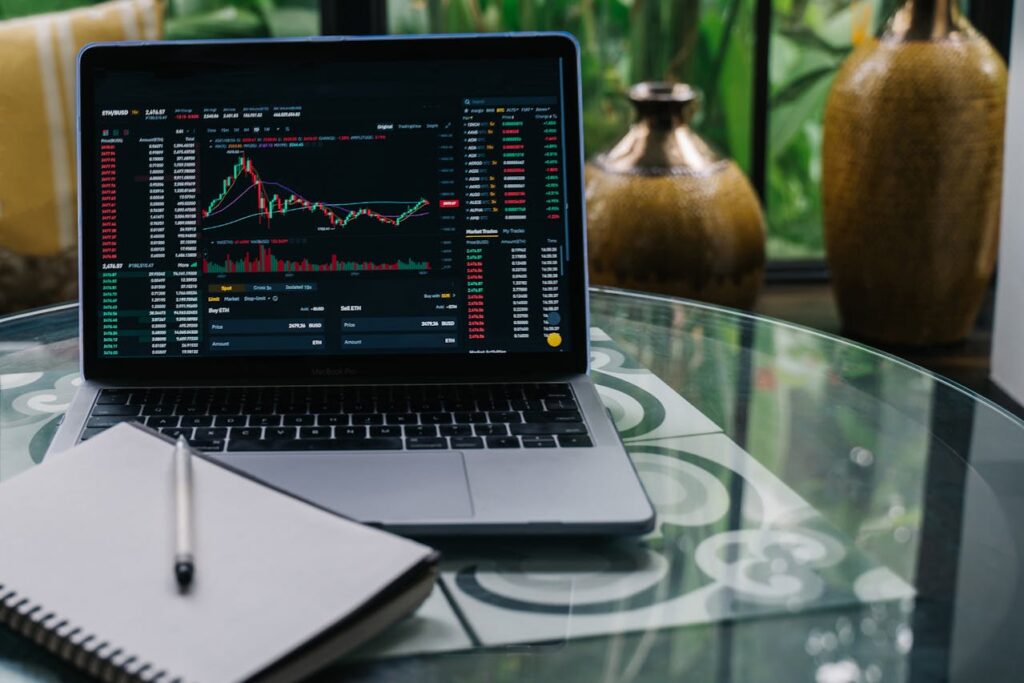
Effective management of market volatility involves adopting strategies that help mitigate risk while positioning oneself to take advantage of opportunities. One of the most common approaches is diversification. By spreading investments across different asset classes, sectors, and geographic regions, investors can reduce the impact of volatility in any single area. A diversified portfolio is less likely to experience extreme fluctuations, as losses in one area may be offset by gains in another.
Another key strategy is maintaining a long-term investment perspective. Volatility is often short-term in nature, with prices returning to more stable levels over time. Investors who focus on long-term goals rather than reacting to short-term market swings are better able to weather periods of high volatility. This approach encourages patience and discourages knee-jerk reactions, such as selling investments during a market downturn, which can lock in losses.
Moreover, investors can utilize hedging strategies to protect their portfolios from severe market swings. One popular hedge is options trading, where investors buy put options to protect against potential losses in their stocks. Another approach is investing in assets that tend to perform well during times of volatility, such as gold or bonds. By using these tools, investors can create a buffer against market volatility, minimizing the impact on their portfolios.
Psychological Factors in Volatility Management
Investors’ emotional responses to market volatility can significantly affect their decision-making and overall investment outcomes. During times of high volatility, fear and anxiety can lead to impulsive decisions, such as selling off assets in a panic. This behavior is often counterproductive, as it may cause investors to lock in losses rather than riding out the market fluctuations. A calm and rational approach is crucial when managing volatility, as emotional reactions can be the biggest hindrance to long-term success.
Another psychological factor at play during volatile periods is overconfidence. When the market is rising, investors may become overly optimistic and take on more risk than they can handle. Conversely, during a market downturn, they may become overly cautious and miss out on opportunities. Striking a balance between confidence and caution is vital to navigating market volatility successfully. Awareness of these psychological tendencies can help investors stay disciplined and avoid making decisions based on short-term emotions.
Lastly, understanding the psychological aspects of market volatility can help investors better manage their expectations. No market is entirely predictable, and volatility is a natural part of the investing process. By recognizing that price swings are inevitable, investors can approach their investments with a sense of resilience, accepting that short-term losses may occur without panicking. This mindset can help individuals avoid making drastic changes to their portfolios and focus on their long-term financial goals.
The Role of Financial Advisors in Managing Volatility
Financial advisors play a crucial role in helping investors manage market volatility. They can provide objective advice and help individuals avoid emotional decision-making during times of market turbulence. Advisors can help assess an investor’s risk tolerance, ensuring that their portfolio is aligned with their financial goals and capacity for risk. By creating personalized investment plans, financial advisors can guide clients through volatile periods with confidence and reduce the likelihood of costly mistakes.
Advisors also provide valuable insight into market trends and can help investors stay informed about economic or geopolitical events that may influence market movements. Their expertise in understanding market cycles, risk management, and diversification strategies enables them to offer tailored recommendations for managing volatility. For example, they may suggest rebalancing portfolios to ensure that the allocation is still appropriate in light of recent market movements.
Additionally, financial advisors can help investors stay disciplined and focused on their long-term goals. During periods of market volatility, it’s easy for investors to become swayed by short-term market fluctuations and lose sight of their broader financial objectives. Advisors can help investors maintain perspective, reminding them of their investment strategy and encouraging them to stay the course despite temporary market turmoil.
Conclusion
Stock market volatility is an inherent part of investing, and understanding its causes and effects is essential for any investor. While it can create uncertainty, volatility also presents opportunities for those who are prepared. By employing strategies like diversification, long-term investing, and hedging, investors can manage risk effectively and protect their portfolios. Additionally, recognizing the psychological factors that influence decision-making during volatile times can help individuals maintain a disciplined approach. With the right mindset and strategies, investors can successfully navigate the ups and downs of the stock market and achieve their financial goals.
Quick Recommendation 2: Explore our blog for valuable tips on investing in shares. Want to build a growing stream of passive income, regardless of what happens in the stock market? Check out the Simply Investing Approach: