
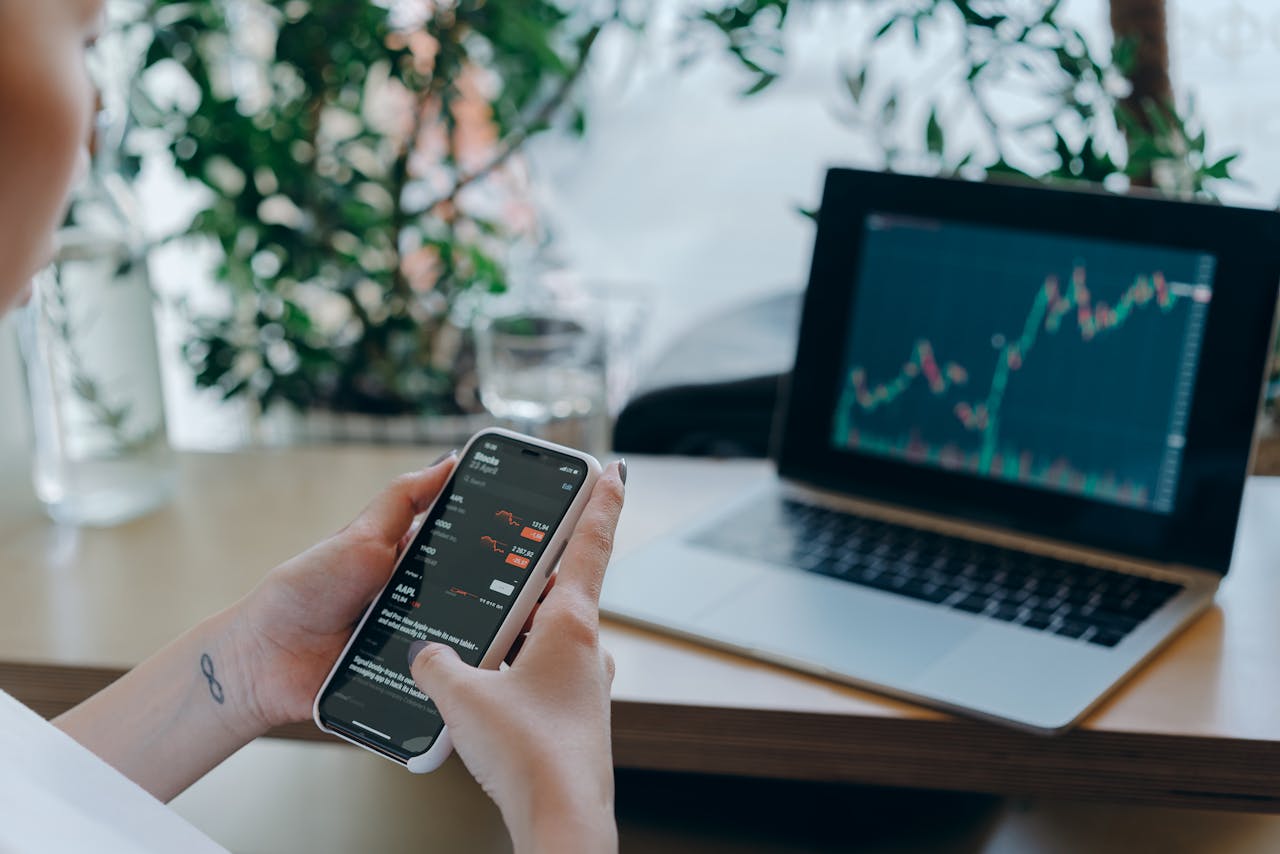
Insider trading is a term that often brings to mind images of scandal and financial manipulation. Yet, it is a practice that can have far-reaching consequences on the stock market. It refers to the illegal act of trading stocks or securities based on non-public, material information about a company.
Insiders—executives, employees, or close associates—use confidential information that is not yet available to the public to make profitable trades, leading to market movements that reflect this unfair advantage. But how exactly does insider trading influence the stock market? And why should every investor be aware of its potential impact?
Quick Recommendation: Explore our blog for valuable tips and resources on investing in stocks. Want to build a growing stream of passive income, regardless of what happens in the stock market? Check out the Road To Successful Investing - Stock Investing Guidebook:
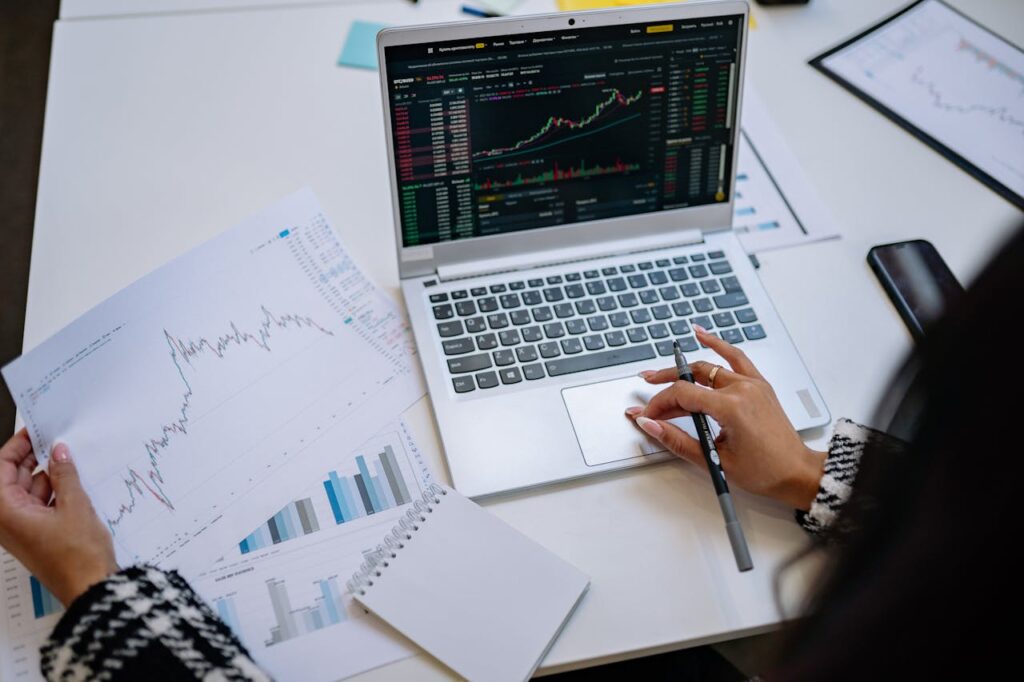
What Is Insider Trading?
At its core, insider trading involves trading securities based on material information that is not yet public. For example, if a company executive knows that a major merger is about to be announced and buys shares before the public is informed, that’s illegal insider trading. Such actions undermine the very principles of fairness and transparency that financial markets are supposed to uphold.
While insider trading is illegal when it involves non-public information, there is also what is known as “legal insider trading.” This refers to when executives or employees trade stock in their own company based on public information, like quarterly earnings reports. The key distinction lies in whether the information is available to the public. Trading on confidential, non-public knowledge gives a select group of individuals an unfair advantage over others—an issue that can have profound implications for stock market movements.
How Insider Trading Influences Stock Market Movements
The effects of insider trading on the stock market are often subtle but can be significant. Let’s break it down:
- Non-Public Information Comes to Light Insiders—those with access to confidential, material information—use their knowledge to make decisions that will lead to profitable trades. This could be any significant news that is not yet in the public domain: an upcoming merger, positive earnings reports, or a potential regulatory change. These insiders often hold the keys to future stock price movements before the general market is aware of what’s coming.
- Insiders Make Their Trades Once an insider has access to this game-changing information, they make trades before the public knows about it. These trades often take place just before an announcement that could change the market’s perception of the company. For example, a company executive might purchase large amounts of their company’s stock just before an announcement of better-than-expected earnings.
- The Market Reacts Once the non-public information becomes public, the stock price typically adjusts to reflect the new reality. If the insider anticipated positive news and purchased stock ahead of time, the price will likely rise when the news is revealed, and the insider will profit from their earlier trades. This creates an artificial price shift in the market, often before the general public has had a chance to make their own informed decisions. In some cases, these movements can be dramatic, causing the market to react in ways that might not be fully aligned with the true fundamentals of the company.
- Mistrust and Uncertainty Among Investors The more insider trading occurs, the more it undermines investor confidence. When ordinary investors suspect that others have access to secret information, they may become hesitant to participate in the market, fearing that they are at a disadvantage. This results in a lack of market transparency and can contribute to heightened market volatility, as investors struggle to determine whether stock prices are genuinely reflective of company performance or if they have been artificially manipulated.
Insider Trading and Market Volatility
Insider trading has a substantial role in contributing to market volatility. Here’s how:
- Exaggerated Price Movements Insiders, with their unique access to material, non-public information, often make trades just before the market moves. These trades can lead to exaggerated price movements in the short term. For instance, if a company’s CEO buys a large number of shares just before an important announcement, the stock may rise in anticipation of good news. Once the public is aware, stock prices often spike, but the price adjustment may be an overreaction based on the insider’s initial trade.
- False Signals to Investors Many investors track insider trading activity, assuming that they are following the “smart money” when they mimic these trades. However, when insiders trade based on confidential knowledge, it sends misleading signals to the broader market. Investors who are unaware of the insider’s knowledge might end up making decisions based on false signals, driving prices in the wrong direction or increasing market confusion.
- Increasing Market Uncertainty A market rife with insider trading is one marked by increasing uncertainty. If investors suspect that others have access to information they don’t, they may hesitate to make moves. This reduces liquidity and ramps up volatility. The result is a market environment where prices are not necessarily reflective of true value, but rather of information asymmetry between different investors. This makes it harder for investors to trust that their trades are based on fair and open access to information.
Quick Recommendation 2: Explore our blog for valuable tips on investing in shares. Want to build a growing stream of passive income, regardless of what happens in the stock market? Check out the Simply Investing Approach:
The Legal Framework and Penalties
Insider trading is illegal, and for good reason. It goes against the fundamental principles of fairness and transparency that financial markets depend on. In the United States, the Securities and Exchange Commission (SEC) works diligently to investigate and prosecute violations of insider trading laws, ensuring that markets remain level for all investors.
Similarly, in South Africa, insider trading is regulated by the Financial Sector Conduct Authority (FSCA). The FSCA is tasked with overseeing and enforcing market conduct rules, including laws that govern insider trading. The organization ensures that financial markets in South Africa are transparent, fair, and accessible, and it works to detect any illicit trading activity. For instance, those found guilty of insider trading in South Africa can face serious consequences, including hefty fines (up to R1 million) and prison sentences of up to 10 years.
The penalties for insider trading serve as a deterrent, but detecting it is often difficult. Regulators rely on sophisticated surveillance technology, data analytics, and whistleblower programs to track suspicious trades. Despite these efforts, many cases of insider trading remain hidden, making enforcement a continual challenge.
The Impact on Regular Investors
For everyday investors, insider trading creates an uneven playing field. When individuals with privileged information are able to make profitable trades, it leaves the average investor at a disadvantage. This erodes the trust that ordinary investors place in the market. If prices are manipulated based on non-public information, stock prices may not reflect a company’s true value, which leads to inefficiencies in the market.
Moreover, when insider trading becomes public knowledge, stock prices often experience sharp corrections. This is because investors realize that prices were artificially inflated or deflated based on illicit information. In some cases, the stock price can plummet as public trust erodes and investors adjust their expectations.
Insider Trading and Market Reform
While insider trading remains an issue for markets, steps are being taken to combat it. Regulatory bodies like the SEC in the U.S. and the FSCA in South Africa continue to enforce laws and seek to improve market transparency. Increased surveillance, stricter penalties, and the use of technology to detect insider trading have become key components of the fight against market manipulation.
With advancements in artificial intelligence and machine learning, regulators are getting better at identifying suspicious trading patterns and detecting insider trading before it spirals out of control. These tools enable authorities to track complex trading strategies and uncover cases that might otherwise go unnoticed.
Conclusion
The hidden influence of insider trading on stock market movements is both powerful and pervasive. While it may seem like a small issue in the grand scheme of the market, insider trading can distort stock prices, increase volatility, and undermine investor confidence. It creates an uneven playing field where those with access to secret information can profit at the expense of the average investor.
By understanding how insider trading affects the stock market and recognizing the importance of regulatory bodies like the SEC and the FSCA, investors can better navigate the risks and challenges associated with investing. Transparency, fair access to information, and robust enforcement are key to maintaining trust in the financial system and ensuring that markets remain efficient and equitable for all participants. In the end, a level playing field benefits not only individual investors but also the integrity of the financial markets as a whole.
Quick Recommendation: Explore our blog for valuable tips and resources on investing in stocks. Want to build a growing stream of passive income, regardless of what happens in the stock market? Check out the Road To Successful Investing - Stock Investing Guidebook: