
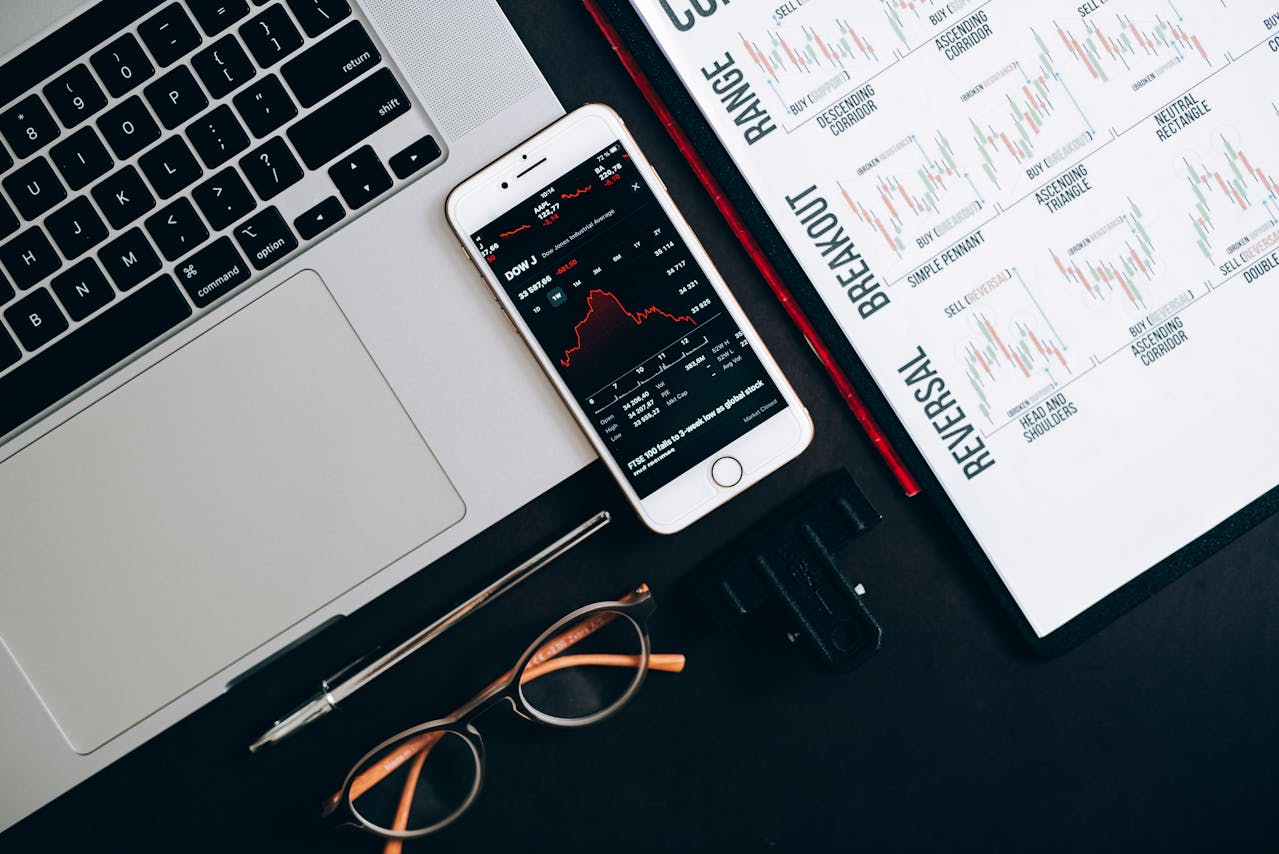
Introduction: Politics and Market Dynamics
The stock market today is a vibrant arena where political events play a pivotal role in shaping investor sentiment and market trends. From government policies to international relations, politics can dictate the flow of investments, alter risk perceptions, and influence economic forecasts. Understanding the connection between political events and the stock market is essential for navigating today’s volatile economic landscape.
Investors constantly monitor geopolitical developments, elections, trade agreements, and central bank decisions to gauge their potential impact on stocks. While some events create opportunities for growth, others may trigger uncertainty, leading to market corrections. The stock market today serves as a real-time barometer of how political shifts resonate within the global economy.
This article explores ten key ways political events affect the stock market, highlighting both challenges and opportunities for investors in today’s dynamic environment.
Quick Recommendation: Explore our blog for valuable tips and resources on investing in stocks. Want to build a growing stream of passive income, regardless of what happens in the stock market? Check out the Road To Successful Investing - Stock Investing Guidebook::

Elections and Market Sentiment
Election seasons bring heightened activity to the stock market, as investors anticipate policy changes tied to different political parties. Campaign promises about taxation, trade, and regulatory frameworks often result in market fluctuations well before election outcomes are finalized.
In many cases, markets respond positively to pro-business candidates, reflecting optimism about economic growth and investor-friendly policies. Conversely, uncertainty during tightly contested elections can lead to temporary sell-offs. This volatility underscores the importance of understanding how political platforms impact market sectors.
The stock market today reflects these election dynamics, with sectors like energy, healthcare, and technology particularly sensitive to policy shifts proposed by candidates. Investors often adjust their portfolios to align with anticipated changes.
Fiscal Policies and Stock Performance
Government fiscal policies, including taxation and public spending, directly influence corporate profits and, by extension, stock valuations. Tax cuts, for example, are typically viewed as favorable for businesses, leading to bullish market reactions.
Conversely, policies that increase corporate taxes or tighten spending can create headwinds for companies, especially in capital-intensive industries. The stock market today frequently responds to announcements of new fiscal measures, reflecting investors’ views on the economy’s future trajectory.
Sectors such as infrastructure, renewable energy, and defense often experience significant movement based on fiscal budget allocations. Understanding these connections can help investors identify potential winners and losers.
Trade Wars and Global Markets
Trade wars and tariffs disrupt international supply chains, creating ripple effects across global markets. When countries impose tariffs or engage in retaliatory trade measures, companies reliant on global trade may see profit margins shrink, affecting stock prices.
The stock market today is more interconnected than ever, with U.S., European, and Asian markets reacting in tandem to trade developments. A single policy announcement can trigger fluctuations across multiple indices, emphasizing the global nature of economic interdependence.
Investors keen on navigating trade-related risks often diversify their portfolios or seek refuge in defensive stocks. Recognizing trade-sensitive industries, like manufacturing and technology, is vital during politically charged trade disputes.
Geopolitical Tensions and Market Volatility
Geopolitical conflicts, such as military actions or territorial disputes, often result in market turbulence. Investors tend to flee riskier assets, such as stocks, in favor of safe havens like gold and bonds during periods of heightened tensions.
The stock market today has seen increased sensitivity to geopolitical developments, with events in Eastern Europe, the Middle East, and Asia influencing global investor sentiment. Sharp declines in major indices often follow escalations in these regions.
However, some industries, like defense contractors and energy companies, may benefit from geopolitical instability. Understanding how specific sectors react to tensions can help investors make informed decisions.

Regulatory Changes and Sector Impact
Political decisions about regulations in industries such as technology, banking, and energy significantly affect market dynamics. For example, antitrust investigations or stricter environmental laws can pressure companies, leading to stock price declines.
The stock market today often reflects these regulatory changes immediately after policy announcements. Companies that are heavily regulated tend to see greater price swings, depending on whether the rules are perceived as restrictive or enabling.
Investors can leverage regulatory changes to their advantage by staying informed about industries likely to be impacted. Anticipating how policies affect profitability helps in aligning investment strategies.
Quick Recommendation: Explore our blog for valuable tips and resources on investing in stocks. Want to build a growing stream of passive income, regardless of what happens in the stock market? Check out the Road To Successful Investing - Stock Investing Guidebook::
Central Bank Decisions and Political Influence
Although central banks operate independently, their decisions are often influenced by political climates. Interest rate changes and monetary policies directly impact the stock market, with investors closely monitoring these moves.
The stock market today reacts strongly to central bank signals, especially regarding interest rates. For instance, a dovish stance often boosts growth stocks, while hawkish policies may favor value stocks.
Political pressure on central banks to address inflation or unemployment can also create market uncertainty. Understanding the interplay between politics and monetary policy is key to navigating such periods.
Climate Policies and Green Investments
The increasing focus on climate policies has transformed the stock market, particularly for renewable energy and sustainable business models. Political commitments to carbon neutrality and green technologies have created new growth opportunities.
The stock market today sees rising interest in green investments, with governments around the world offering subsidies and incentives for clean energy projects. Companies adapting to these changes are often rewarded with higher valuations.
For investors, staying ahead of climate policy trends can uncover long-term opportunities in emerging industries, from electric vehicles to renewable energy solutions.

Political Scandals and Market Reactions
Political scandals and instability can erode investor confidence, leading to sharp sell-offs in the stock market. Corruption allegations or leadership crises often result in uncertainty about future policies, making investors wary.
The stock market today reacts swiftly to such events, with indexes falling as investors seek clarity. While short-lived, these drops highlight how political integrity plays a role in economic stability.
However, savvy investors often use these dips as buying opportunities, particularly in markets with strong fundamentals that are temporarily impacted by political noise.
Global Alliances and Economic Cooperation
The formation or dissolution of international alliances, such as trade partnerships and economic unions, significantly impacts the stock market. Agreements like NAFTA or the EU’s internal trade policies set the tone for cross-border investments.
The stock market today reflects optimism when nations cooperate on trade or climate action, as it signals stability and growth. Conversely, the breakdown of alliances can create uncertainty, leading to sell-offs in affected industries.
For investors, understanding these alliances helps in assessing long-term risks and rewards, particularly in multinational corporations.
Conclusion: Navigating Political and Market Interplay
Political events are integral to the stock market today, shaping the economic landscape and driving investor decisions. From elections to geopolitical tensions, these developments create both risks and opportunities.
Understanding the correlation between politics and market movements is essential for building resilient investment strategies. While short-term volatility is often unavoidable, long-term trends often prevail in well-diversified portfolios.
By staying informed and adaptable, investors can effectively navigate the challenges of the stock market today and capitalize on opportunities arising from political developments.
Quick Recommendation: Explore our blog for valuable tips and resources on investing in stocks. Want to build a growing stream of passive income, regardless of what happens in the stock market? Check out the Road To Successful Investing - Stock Investing Guidebook::